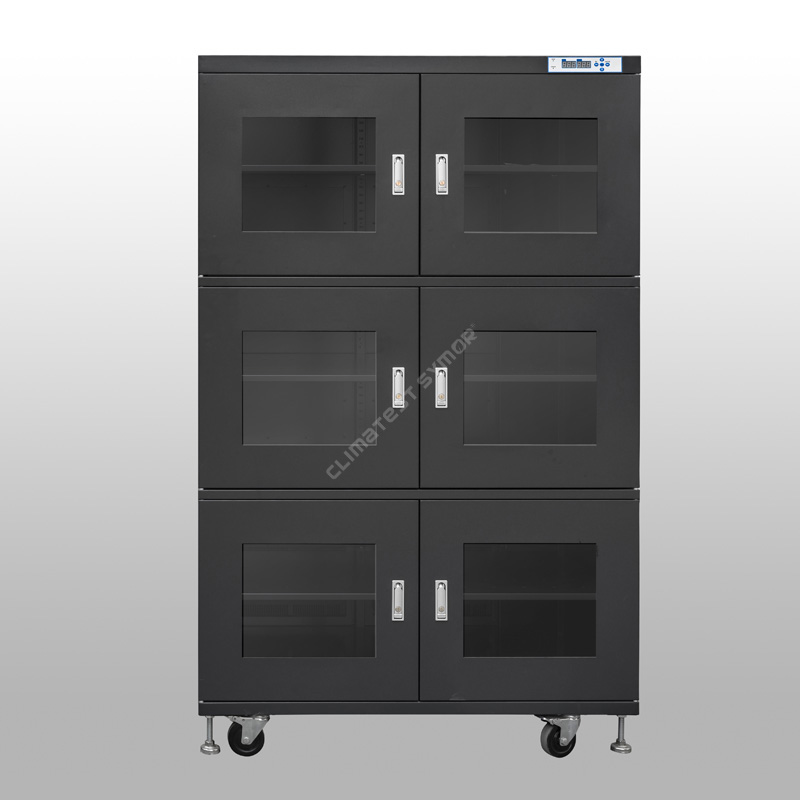
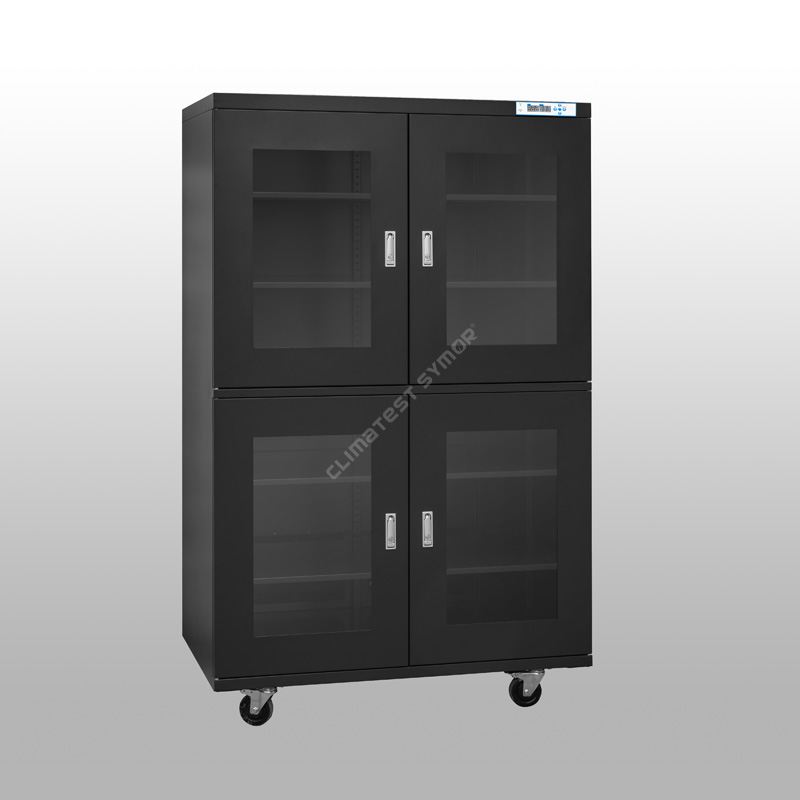
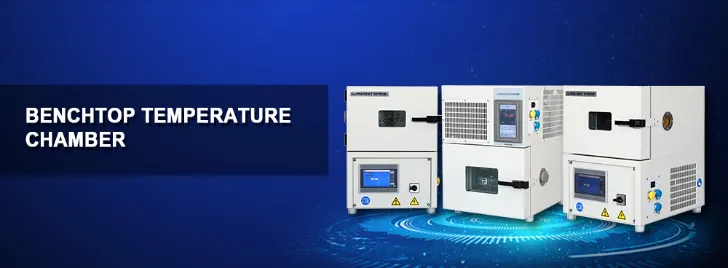
For research laboratories, quality control departments, and R&D engineering teams, the Benchtop Temperature Test Chamber represents the frontline defense against product failure. Unlike walk-in test chambers, benchtop units offer a compact footprint. Whether you are testing electronic components, PCB boards, battery cells, or mobiles, understanding the technical specifications is critical to generating repeatable and compelling data.
This guide provides a comprehensive and detailed analysis of the specifications, operational characteristics, and purchasing guidelines.
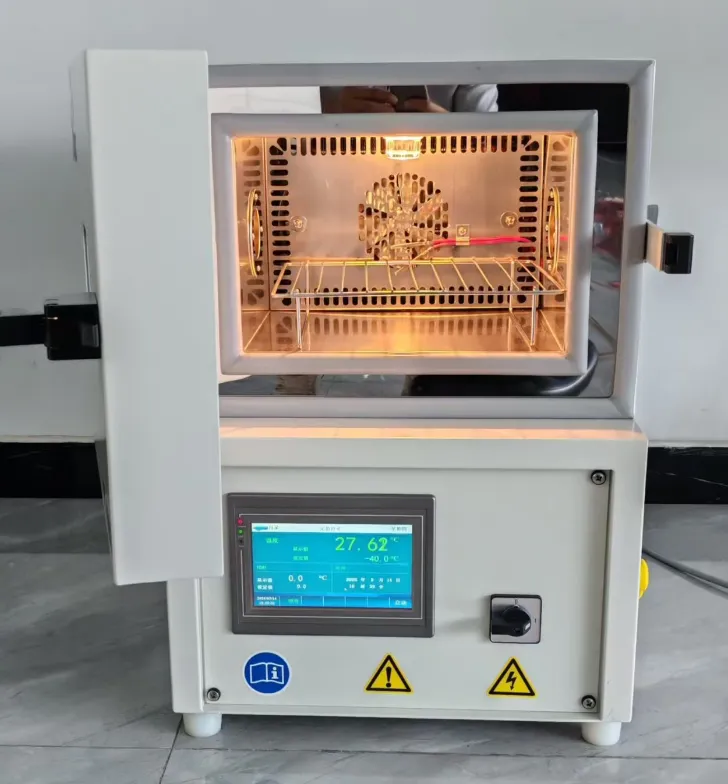
When evaluating a Benchtop Temperature Test Chamber, buyers often focus solely on the minimum and maximum temperature limits. To assist in your selection process, we have compiled the standard specifications for a high-performance, programmable Temperature Test Chamber. The data below represents the industry benchmark for units ranging from 22 to 36 liters—the sweet spot for laboratory benchtops.
| Parameter | Standard Specification | Technical Insight |
| Internal Volume | 12L / 22L / 36L(Selectable) | 12L is ideal for PCB testing; 22L and 36L accommodates battery packs or larger assemblies. |
| Internal Dimensions (WxDxH) | 310×230×200 mm (12L) to 400 x 300 x 300 mm (36L) | Ensure shelf loading and air circulation clearance. Do not pack samples above 3/2 of the internal volume . |
| External Dimensions (WxDxH) | 500×540×650 mm (12L) to 640×730×920 mm (36L) | Requires 30cm clearance on sides for ventilation |
| Net Weight | 60 kg to 90 kg | Crucial for benchtop rating. Ensure your workbench can support the static load plus dynamic vibration. |
| Interior Material | SUS304 Stainless Steel (Brushed / Mirror) | Provides rust resistance and high reflectivity for uniform temperature distribution. |
This is the core of the Temperature Test Chamber. The numbers on the datasheet must align with real-world physics. Pay attention to "No-Load" vs. "Loaded" conditions.
| Parameter | Standard Specification | Technical Insight |
| Temperature Range | -40°C to +130°C (Extended options: -20°C to +130°C) | -40°C is sufficient for most commercial electronics. |
| Temperature Fluctuation | ± 0.5 °C | Represents short-term stability at a single control point. Essential for static exposure tests. |
| Temperature Uniformity | <2.0 °C | Measures temperature variance across 9 points in the empty workspace. |
The reliability is largely determined by the "Golden Triangle": Compressor, Controller, and Airflow.
| Parameter | Standard Specification | Technical Insight |
| Cooling Rate | 1.0 °C / min to 3.0 °C / min (+85°C to -40°C) | Average rate, no load |
| Heating Rate | 3.0 °C / min to 5.0 °C / min (-40°C to +85°C) | Nichrome heaters provide dry, responsive heat. Faster rates stress test the insulation of your DUT. |
| Compressor | Hermetic or Rotary (French Tecumseh / Copeland) | Hermetic is quieter for lab use; Rotary is more durable for industrial cycles . |
| Refrigerant | R449A, R448A (Low GWP), R404A | EU F-Gas regulations are phasing out high-GWP gases. Ensure compliance with local environmental laws . |
| Air Circulation | Centrifugal Sirocco Fan | Creates a forced-air convection field. |
Symor Benchtop Temperature Test Chamber units have evolved from simple thermostats to sophisticated data acquisition platforms.
The controller is the brain of the operation.
The Programmable Controller
Benchtop Temperature Test Chambers utilize a 7” programmable LCD touch screen controller.
Program Capacity: Minimum 120 segments with 999 repeat cycles.
Communication: Standard RS-232, RS-485, and Ethernet (RJ-45) connectivity.
History Data Export: Download support for USB flash drives. Data should export directly to Excel (.csv or .xls) without proprietary formatting.
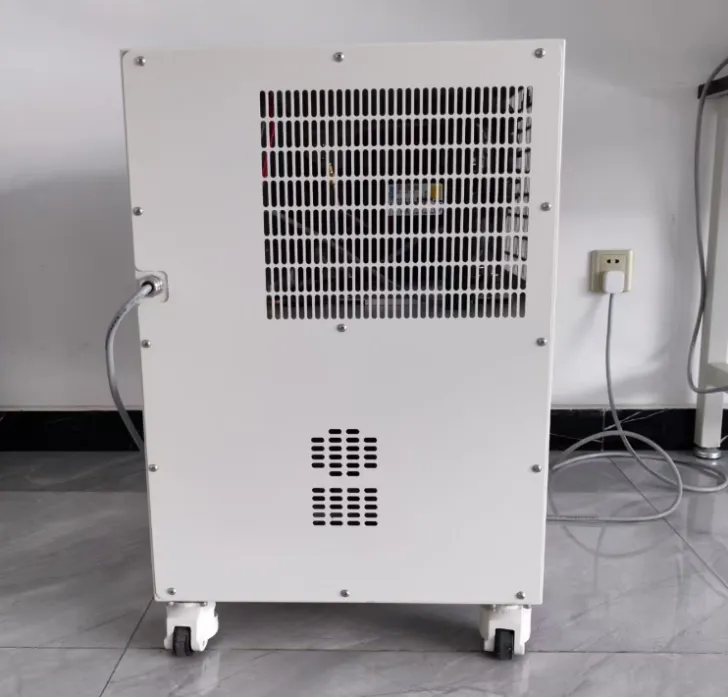
Independent Over-temp Protection: A separate mechanical limiter that cuts power to the heater if the main controller fails.
Refrigeration Overload: High-pressure switches and thermal relays to protect the compressor.
Cable Ports: A standard Φ 50 mm cable hole (with silicone plug) on the side allows you to connect power to your test sample (Live Load Monitoring) .
Yes, you can test energized products, but you must account for the "Heat Load."
When your product is powered on inside the chamber, it dissipates energy in the form of heat. This adds extra "work" to the chamber's refrigeration system, particularly if you are trying to maintain a very low temperature (e.g., -40°C).
Here is the professional approach:
1. Calculate the Load: Determine the wattage of your device under test (DUT). A general rule of thumb is that for every 100 watts of DUT heat, you add 1°C of heat load to the system.
2. Derating Curves: Most manufacturers provide a "Live Load Capacity" chart. For example, at +23°C, a chamber might handle 1000W, but at -40°C, this drops to 250W .
3. Connection: Always use the dedicated side cable port (Φ 50mm) to run your power leads to the DUT. Never squish cables in the door seal, as this breaks the airtight integrity and causes severe icing.
Temperature uniformity specifications (e.g., ±1.0°C) are typically measured under "No-Load" conditions. Once you place samples inside, they act as thermal barriers. The air must flow around the samples to heat or cool them. If you fill the chamber more than 30-40% of its total volume, you block the airflow from the centrifugal fan.
The Solution: Leave a gap of at least 10cm around the fan intake (usually top or back). Use perforated shelves to allow vertical airflow.
Heat Sink Effect: If your samples are made of thick metal (aluminum or steel), they have high thermal mass. They will heat up and cool down slower than the air, creating a temporary deviation (lag). The controller will correct this during the "soak" (hold) time.
You should calibrate your chamber at least once every 12 months, or following ASTM E220 / ISO 17025 standards. Calibration is non-negotiable if you are testing for FDA (Medical devices), FAA (Aviation), or Automotive (IATF 16949) compliance.
The Process: A certified technician places a "Data Logger" with 9 to 15 thermocouples at specific locations (corners and center) of the empty workspace.
What is measured: They test the Uniformity (difference between hottest and coldest point), Fluctuation (stability over time), and Accuracy (how close the reading is to a NIST-traceable standard).
In-house Checks: Perform a daily "Two-Point Check" using an ice bath (0°C) and boiling water (100°C) with a handheld reference probe to ensure the chamber hasn't drifted between annual certifications.
Welcome to contact our Symor factory.