


Summary: This article provides an in-depth look at laboratory vacuum ovens, their uses, benefits, and how they are integral in various scientific processes. The blog will explore how these ovens work, their advantages in laboratory settings, and the significance of choosing the right model for your needs. It also covers details about Symor’s laboratory vacuum ovens and why they stand out in the market.
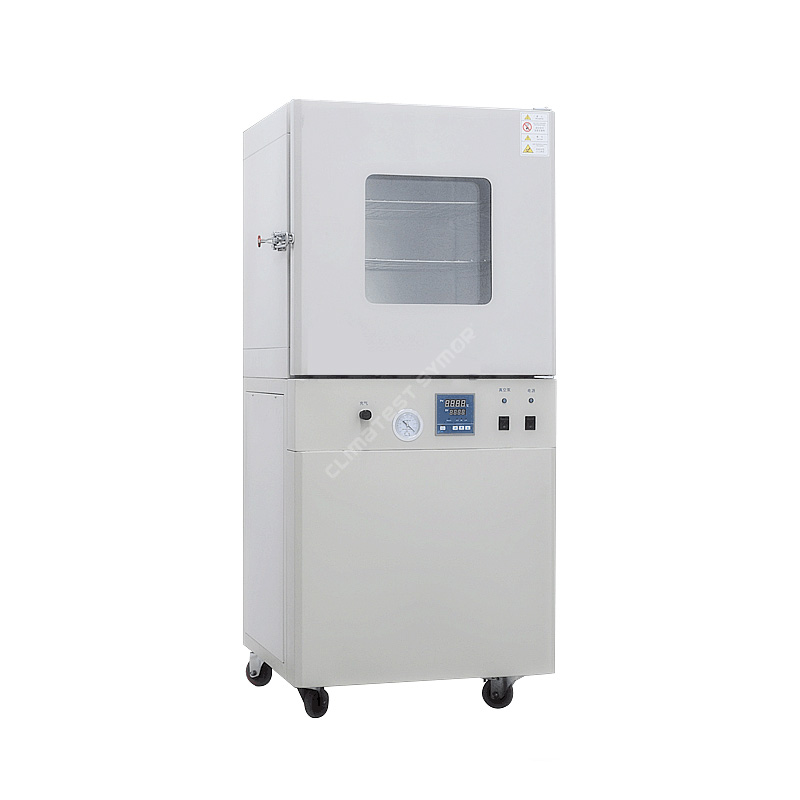
Table of Contents
- Introduction
- How Does a Laboratory Vacuum Oven Work?
- Applications of Laboratory Vacuum Ovens
- Key Benefits of Using a Laboratory Vacuum Oven
- Choosing the Right Laboratory Vacuum Oven
- Why Choose Symor Laboratory Vacuum Ovens?
- Frequently Asked Questions
Introduction
A laboratory vacuum oven is a crucial piece of equipment used for heating, drying, or curing materials under vacuum conditions. Unlike traditional ovens, which rely on atmospheric pressure, vacuum ovens remove air and reduce pressure within the chamber, allowing for precise temperature control. This process is often used in laboratories where controlled, non-contaminating drying is essential, such as in the pharmaceutical, chemical, and food industries.
How Does a Laboratory Vacuum Oven Work?
The primary function of a laboratory vacuum oven is to remove air from its internal chamber to create a low-pressure environment. This is done by using a vacuum pump to eliminate the air. The reduction in pressure lowers the boiling point of substances, enabling them to dry or heat without the risk of burning or degradation. The temperature is usually maintained through precision-controlled heating elements, which provide uniform heat distribution across the materials placed inside.
Applications of Laboratory Vacuum Ovens
- Drying sensitive materials: Vacuum ovens are often used to dry heat-sensitive materials that could degrade under standard conditions.
- Dehydrating samples: Common in research and pharmaceuticals to remove water content from biological samples.
- Polymer curing: Used for curing resins or adhesives in precise conditions.
- Evaporation processes: Ideal for removing solvents from materials without disturbing their properties.
Key Benefits of Using a Laboratory Vacuum Oven
| Benefit | Description |
|---|---|
| Temperature Control | Vacuum ovens provide precise temperature control, reducing the risk of overheating sensitive materials. |
| Preventing Contamination | The vacuum process ensures that materials are processed without exposure to air, preventing contamination. |
| Improved Efficiency | Lowering the boiling point of materials improves the efficiency of drying and curing processes, saving time and energy. |
| Better Quality Results | Vacuum ovens produce more consistent and higher-quality results due to the controlled environment inside the chamber. |
Choosing the Right Laboratory Vacuum Oven
When selecting a laboratory vacuum oven, several factors should be considered:
- Size and capacity: Choose a model that suits the volume of materials you need to process.
- Temperature range: Ensure the oven has the necessary temperature range for your specific needs.
- Material compatibility: Check if the oven is compatible with the materials you are processing, especially for specialized applications.
- Vacuum performance: Look for an oven with a reliable vacuum system to achieve optimal results.
Why Choose Symor Laboratory Vacuum Ovens?
Symor is a leading manufacturer of high-quality laboratory vacuum ovens. Our products are designed with advanced technology to meet the needs of scientific professionals. Whether you need a small benchtop unit or a larger industrial-scale oven, Symor offers customizable solutions with precision temperature control and vacuum systems. Symor's laboratory vacuum ovens are engineered for durability, efficiency, and excellent performance, making them the ideal choice for a wide range of laboratory applications.
Frequently Asked Questions
Q1: How does a laboratory vacuum oven differ from a regular oven?
A laboratory vacuum oven operates under a vacuum, which allows for precise temperature control and prevents contamination. In contrast, regular ovens work under atmospheric pressure and are not suitable for drying heat-sensitive materials.
Q2: Can I use a laboratory vacuum oven for drying biological samples?
Yes, laboratory vacuum ovens are ideal for drying biological samples because they offer controlled conditions that prevent degradation and contamination.
Q3: How do I maintain my laboratory vacuum oven?
Proper maintenance includes regularly cleaning the oven, checking the vacuum pump for leaks, and ensuring the temperature sensors are functioning correctly. Consult the manufacturer's guidelines for specific maintenance procedures.
For more information on laboratory vacuum ovens, please feel free to contact us. Our experts are ready to assist you in selecting the right vacuum oven for your laboratory's needs!