In electronics and semiconductor fabrication, process integrity depends on repeatable stress screening. An environmental test chamber is not merely an enclosure; it is the final arbiter before a component qualifies for mission-critical deployment. Accredited labs and global manufacturers recognise that thermal cycling, humidity endurance, and steady-state climatic tests must deliver unwavering fidelity. Even fractional deviations—invisible to the naked eye—can mask latent defects or falsely elevate a product’s robustness rating. This article dissects current challenges, metrological strategies, and the engineering philosophy that transforms a standard climatic system into a trusted quality partner.
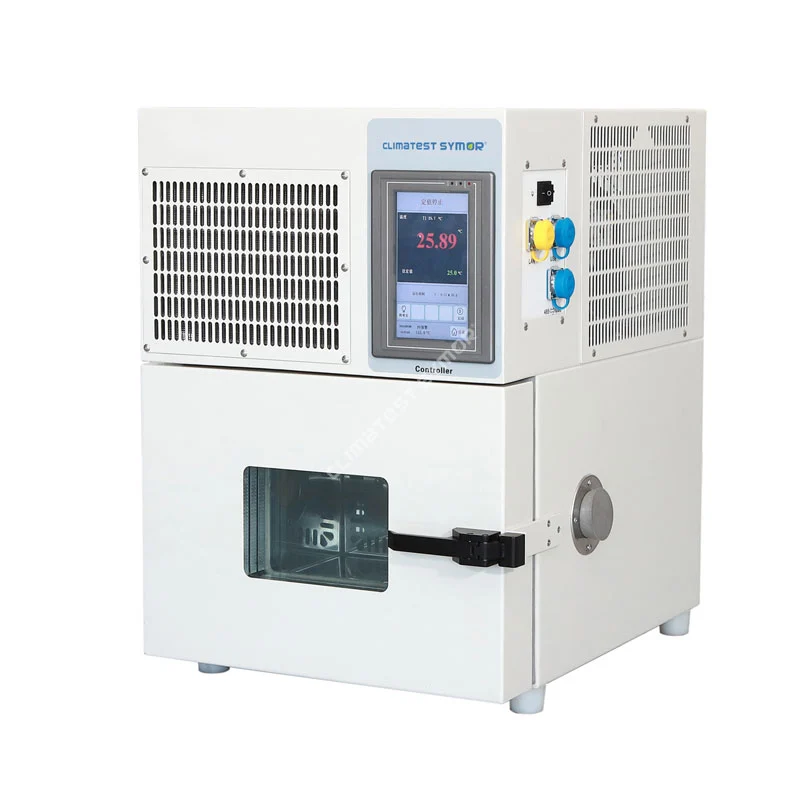
Semiconductor packaging, printed circuit board assemblies, and MEMS devices respond hyper-sensitively to temperature gradients. When an test chamber exhibits spatial non-uniformity, different zones inside the working volume experience dissimilar stress levels. Consequently, a batch may yield contradictory failure rates. For automotive-grade ICs or aerospace electronics, such ambiguity is unacceptable. The industry therefore demands chambers that maintain homogeneity across every shelf, regardless of load density or ambient fluctuations.
Most procurement specifications reference MIL‑STD‑810, JESD22, or IEC 60068‑2. However, compliance alone does not guarantee inter-laboratory reproducibility. An environmental test chamber calibrated against a national metrology institute’s reference standard provides a documented chain of uncertainty. This traceability enables engineers to distinguish process-induced failures from measurement artefacts. Without it, a passing result from one chamber might become a failing result when transferred to another facility—delaying product launches and eroding customer confidence.
The conventional annual calibration cycle is a starting point, not an absolute guarantee. For chambers running multiple thermal cycles daily—typical in semiconductor qualification labs—drift can manifest within months. Leading manufacturers therefore adopt risk‑based recalibration schedules, correlating chamber usage hours, ramp rates, and historical drift records. This dynamic approach reduces false positives while preserving test integrity.
Humidity’s influence on ionic migration, corrosion susceptibility, and polymer delamination is profound. Yet many engineers focus solely on dry‑bulb temperature, neglecting wet‑bulb or dew‑point accuracy. A high‑performance environmental test chamber must synchronise both parameters without cross‑interference. At low dew points—below freezing—even trace frost formation changes chamber psychrometrics. Advanced chambers employ heated sample viewing windows, vapor‑generator PID loops, and real‑time humidity compensation algorithms to maintain setpoint fidelity.
The table below summarises critical attributes that distinguish basic from precision‑grade thermal chambers. Note that absolute numeric thresholds vary by application, but the directional importance is universal.
| Attribute | General‑Purpose Chamber | Precision Semiconductor Chamber |
|---|---|---|
| Temperature uniformity (full volume) | Moderate gradient across shelves | Exceptional homogeneity with active air balancing |
| Humidity stability at low dew point | Susceptible to condensation drift | Stable dry‑air purge + dual sensor feedback |
| Recovery after door opening | Extended overshoot / undershoot | Rapid PID retuning with adaptive logic |
| Long‑term data logging | Basic interval recording | Secure, audit‑trail compliant storage |
To ensure that an environmental test chamber remains true to its factory calibration after months of heavy use, manufacturers must integrate self‑diagnostic features. Automated internal reference sensors, cross‑checked against independent measurement circuits, detect early drift. When combined with regular front‑panel verification routines, these systems alert operators before a single test result becomes compromised. Furthermore, solid‑state humidity sensors with heated probe technology eliminate the hysteresis of traditional capacitive sensors, guaranteeing repeatability from low to high humidity transitions.
Conventional top‑to‑bottom airflow designs often produce temperature gradients near chamber corners. Advanced solutions employ tangential fans with adjustable baffles, creating a horizontal air curtain that sweeps uniformly across each shelf. This architecture reduces self‑heating effects from densely packed electronic components, a critical advantage for burn‑in or high‑power testing. For semiconductor fabs running failure analysis, uniform airflow ensures that the device under test, not the chamber’s fluid dynamics, dictates pass/fail outcomes.
While specifications and brochures provide initial guidance, the real differentiator lies in post‑installation support and engineering philosophy. A manufacturer that treats calibration as a one‑time checkbox event will eventually deliver drifting data. In contrast, a dedicated supplier designs chambers with accessible sensor ports, on‑site adjustment protocols, and transparent uncertainty budgets. For the electronics industry—where every qualification cycle carries financial and safety implications—the choice of environmental test chamber influences brand reputation for years.
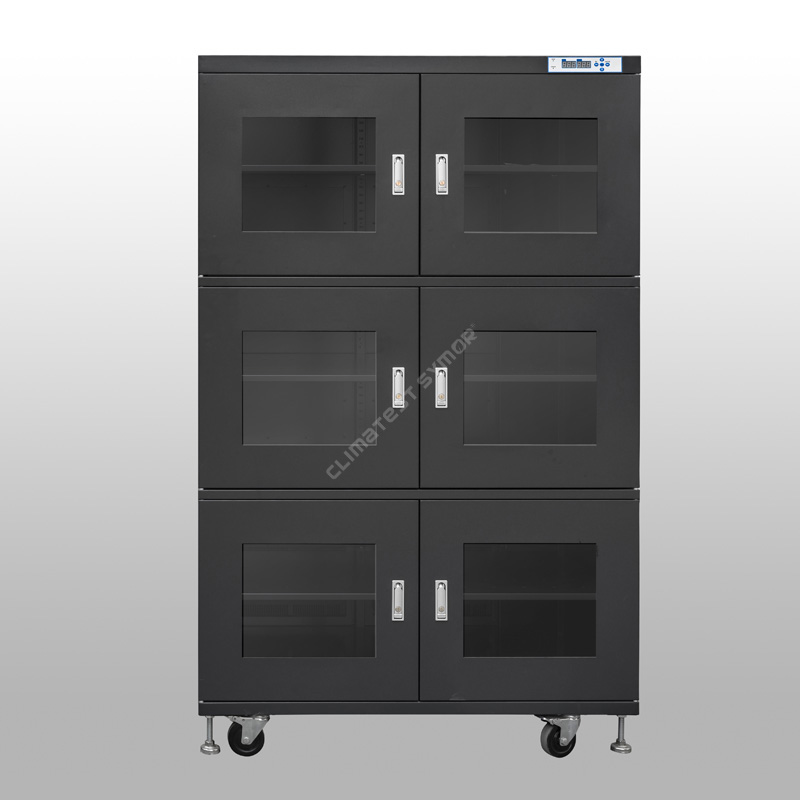
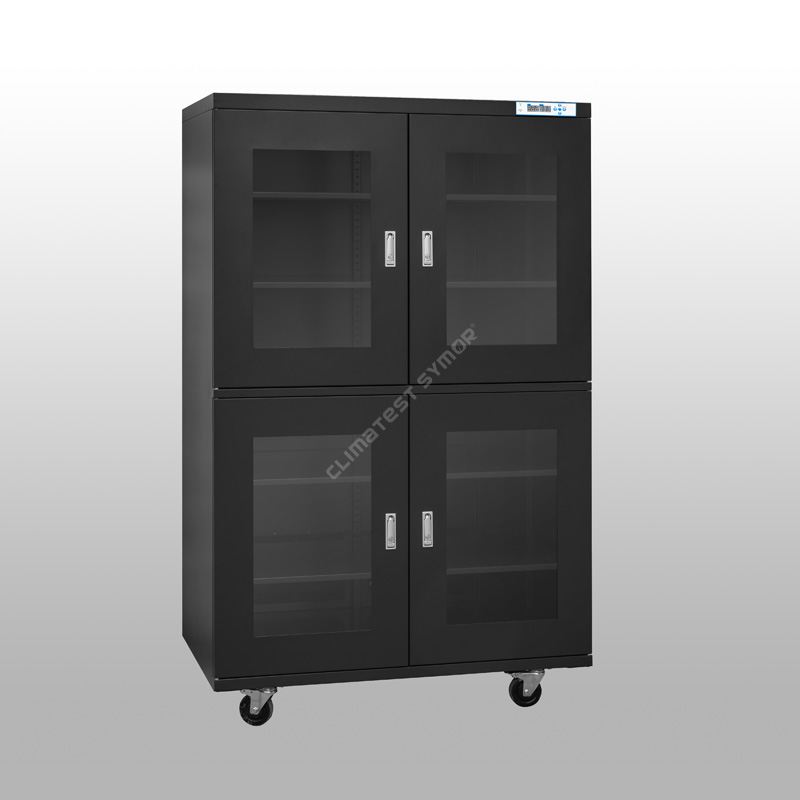
Symor Instrument Equipment Co., Ltd specialises in Temperature and Humidity Control Technology, offering climatic test chambers and dry cabinets tailored to electronics and semiconductor manufacturing. Under the Climatest Symor® brand, each chamber undergoes meticulous factory calibration, validated against reference standards that simulate a full year of operational stress. The engineering team prioritises dimensional stability of the working volume, minimising thermal leakage and vapour migration. For laboratories requiring consistent results across multiple sites, Symor’s chambers deliver transferable data—no recalibration surprises, no unexplained batch discrepancies.
The company fully recognises that for accredited labs and Fortune 500 manufacturers, test results represent a binding promise. A fractional deviation—barely detectable on a control screen—can determine whether a product moves to volume production or returns to redesign. Therefore, Symor calibrates every climatic chamber and dry storage cabinet carefully before leaving the factory, ensuring that after extended use, its data remains as precise as on day one. This commitment extends to the NetDry® dry cabinet line, providing ultra‑low humidity storage that complements thermal cycling workflows. By integrating robust air distribution, drift‑resistant sensors, and documented traceability, Symor Instrument Equipment Co., Ltd helps clients enhance production quality without recurring metrology uncertainty.
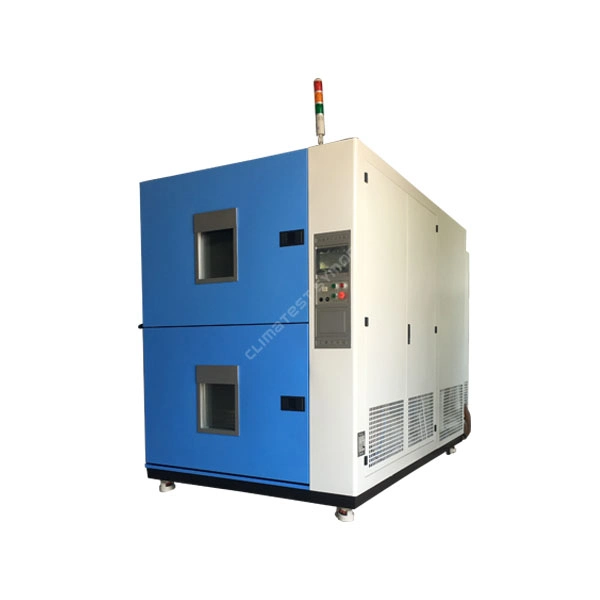
Reliability engineering does not tolerate “close enough”. The semiconductor industry’s trajectory—finer lithographies, higher power densities, and extended operational lifetimes—demands an environmental test chamber that behaves as a measurement standard, not a variable. Whether the application involves accelerated life testing, temperature cycling, or damp heat steady‑state, the underlying principle remains: test results are actionable only when the chamber’s uncertainty is known and controlled. Manufacturers that embed calibration thinking from design to factory acceptance testing ultimately empower engineers to trust their data, accelerating innovation while protecting end‑user safety.